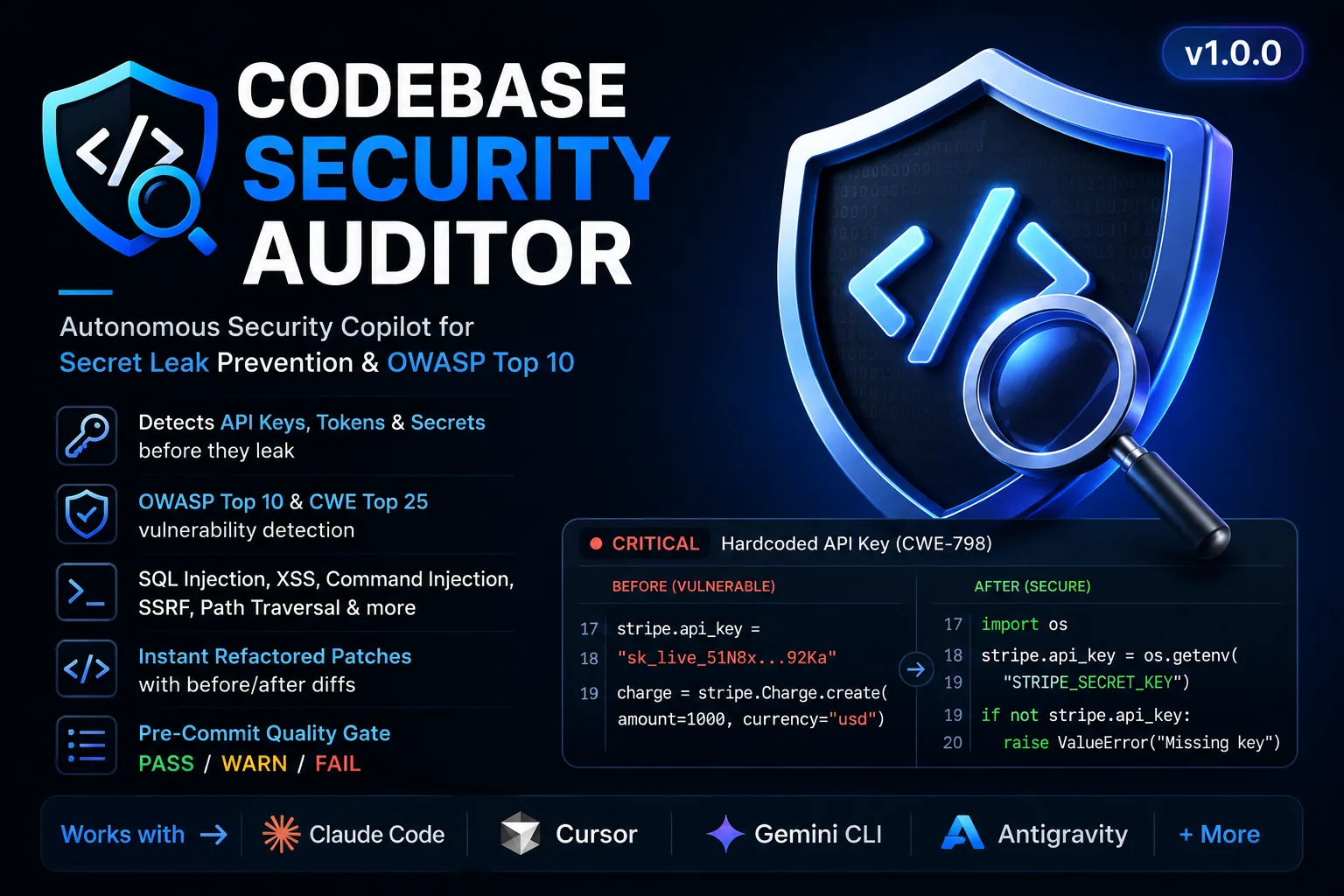
1. The Hidden Risk in 10x AI Developer Velocity
Claude Code, Cursor, and Gemini CLI turned a two-day feature into a twenty-minute prompt. That's the headline. What gets skipped inside those twenty minutes is the real story.
Large Language Models are trained to produce code that runs, not code that's hardened. Left alone, they reach for the fastest working path: a hardcoded test Stripe key, an f-string dropped straight into a SQL query, a regex built without a thought for backtracking (ReDoS), an endpoint missing its authorization decorator. None of it looks wrong at a glance, it compiles, the tests pass, the demo works.
Traditional Static Application Security Testing (SAST) tools catch this too, just later, after the branch has been pushed, somewhere in a remote CI/CD pipeline. By the time that scan fails, the developer has already moved on, and dragging their attention back costs more than the fix itself. The alternative is closer to running an automated QA test suite with AI agents: the checks execute locally, before the commit, while the context is still in your head.
| Security Layer | Traditional CI/CD SAST Scanners | AI Agent Pre-Commit Skill (code-security-auditor) |
|---|---|---|
| Execution Point | Remote CI/CD Pipeline (Post-Push) | Local Terminal / IDE (Pre-Commit) |
| Feedback Speed | Minutes | Seconds |
| Remediation Output | Raw log / Line number only | Drop-in Refactored Before/After Patches |
| Context Awareness | Rigid pattern matching (higher false positives) | Semantic control-flow & intent reasoning |
2. Core 5-Phase Pre-Commit Audit Workflow
Equip your agent with the code-security-auditor skill and it runs the same five-phase pass every time, a fixed blueprint, not ad-hoc keyword grepping:
Phase 1: High-Entropy Secret Detection (OpenAI, Stripe, AWS, GitHub PATs, .env leaks)
Phase 2: Semantic Vulnerability Analysis (SQLi, XSS, Command Injections, BOLA/IDOR)
Phase 3: Catastrophic Backtracking & ReDoS Scanner (Exponential regex patterns)
Phase 4: Production-Ready Patch Generation (Complete drop-in code refactors)
Phase 5: Quality Gate Decision (Definitive PASS / WARN / FAIL verdict)
3. Real-World Before vs. After Remediation Demos
When the agent's own code introduces a vulnerability, the auditor doesn't stop at flagging the line, it rewrites it. Two of the more common failures look like this:
Scenario A: Preventing Production Stripe Secret Leak (CWE-798)
# src/services/billing.py

# ❌ Vulnerable (Hardcoded production token in source):
stripe.api_key = "sk_live_51N8x...92Ka"

# ✅ Secure Refactored Fix (Environment variable with validation):
import os
stripe.api_key = os.environ.get("STRIPE_SECRET_KEY")
if not stripe.api_key:
    raise ValueError("STRIPE_SECRET_KEY environment variable is not configured.")
Scenario B: Preventing SQL Injection via Unparameterized Query (CWE-89)
# src/api/users.py

# ❌ Vulnerable (Direct f-string concatenation):
cursor.execute(f"SELECT * FROM users WHERE email = '{user_input}'")

# ✅ Secure Refactored Fix (Parameterized query sink, assumes a psycopg2/PostgreSQL-style driver; confirm the actual driver before applying, since e.g. sqlite3 uses `?` placeholders instead):
cursor.execute("SELECT * FROM users WHERE email = %s", (user_input,))
4. Defense-in-Depth: Complementing Enterprise Security
An AI agent skill doesn't replace a security team. It catches the obvious mistakes before they ever reach the layers that matter, roughly the same relationship a linter has to an automated regression testing AI running in CI.
⚖️ Security & SAST Disclaimer: The
code-security-auditorskill is built for speed at the pre-commit stage, catching obvious flaws in real time, before they cost anyone a CI cycle. It sits alongside dedicated enterprise pipelines like Snyk, Semgrep, and GitLeaks, and it is not a substitute for a formal third-party penetration audit.
5. How to Run in Claude Code, Cursor & Gemini CLI
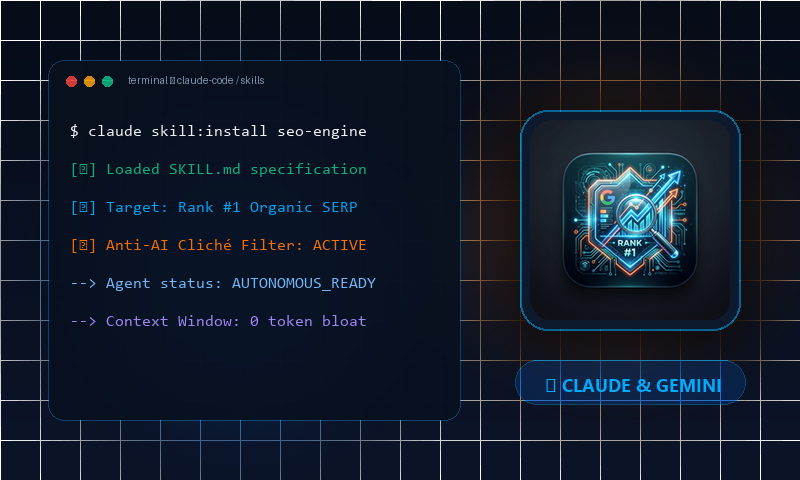
Setup takes under 30 seconds: drop the SKILL.md specification into your skills folder, then ask for it in plain language before you commit.
"Using code-security-auditor, scan all modified files in src/ for hardcoded API keys, injection flaws, and ReDoS patterns before I commit."
That's the whole workflow, an automated QA test suite with AI agents, purpose-built for security, running in your terminal instead of a dashboard you check after the fact.
Frequently Asked Questions
Why do AI coding tools introduce security flaws?
LLMs prioritize functional code completion based on public training data, often generating raw SQL queries, insecure regex patterns, or hardcoding test secrets for convenience without enterprise security guardrails.
Does an AI agent security skill replace enterprise SAST tools like Snyk?
No. An AI agent skill serves as an agile, pre-commit developer aid directly inside your terminal, providing instant feedback and drop-in code fixes. It acts as a complementary defense layer alongside dedicated enterprise CI/CD SAST pipelines.
What programming languages are supported?
The skill provides polyglot semantic reasoning across Python, TypeScript, JavaScript, Go, Rust, PHP, Java, SQL, and Shell scripts.

Comments
Comments are reviewed before appearing publicly.
No comments yet — be the first.